
Every fabric is a rebuild
10–12 yards of fabric, upholstery labor, foam, hardware — per variation, across 120 fabric conversions on the same 10 base frames.
$57K – $90K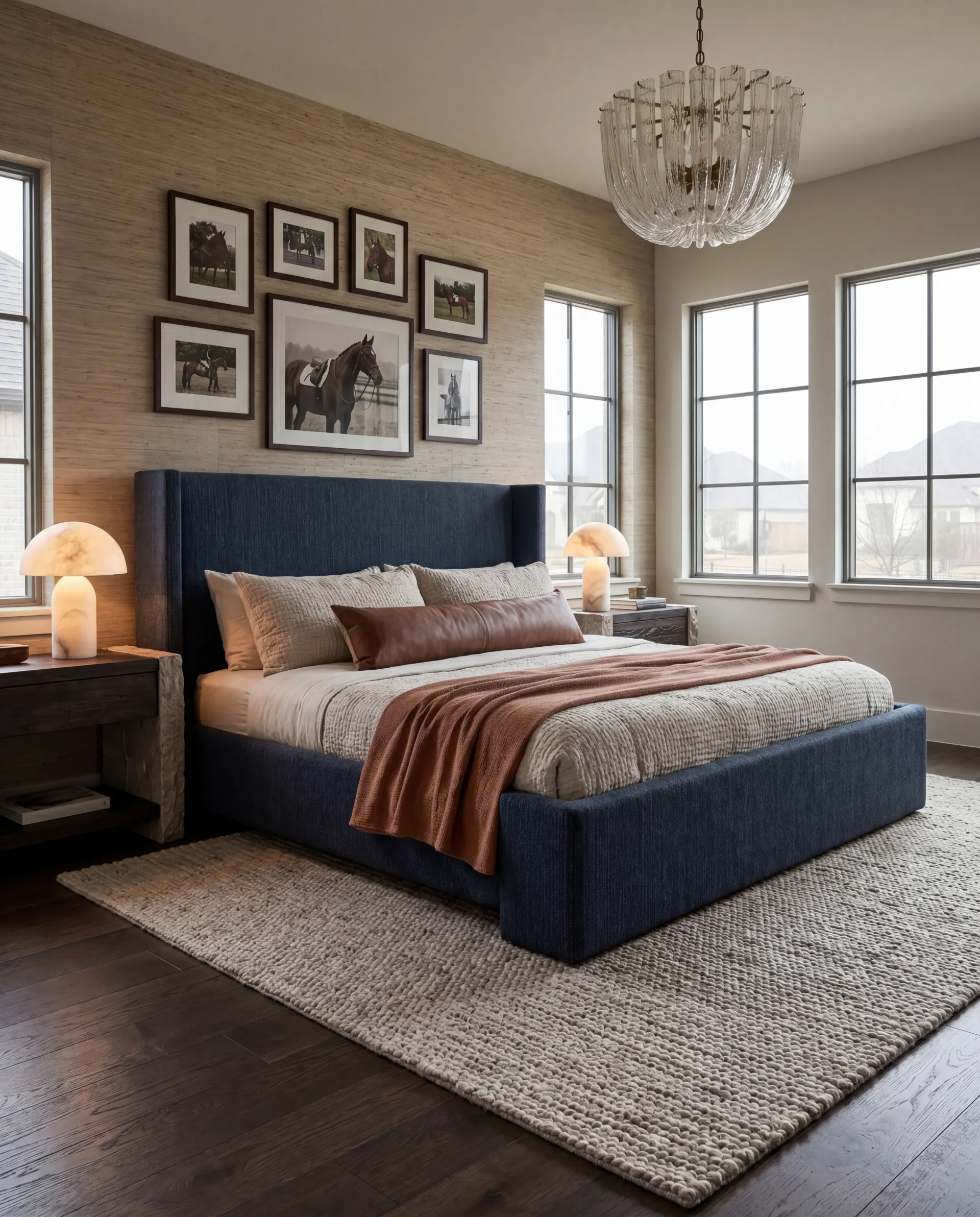
Not by replacing creative production. By reserving physical production for what truly requires it — and using AI to multiply everything else.
Ten upholstered queen frame designs — each shot in a controlled Set environment as the canonical base, then reproduced across every fabric option below.
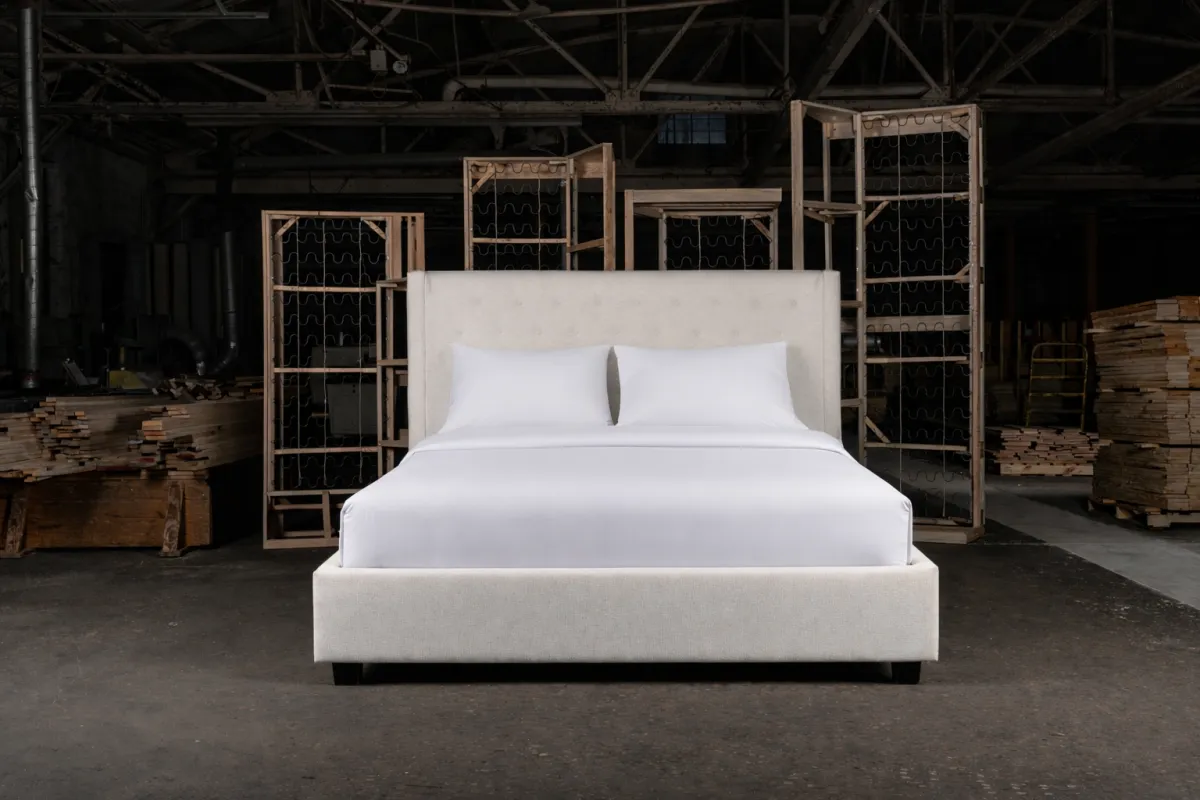
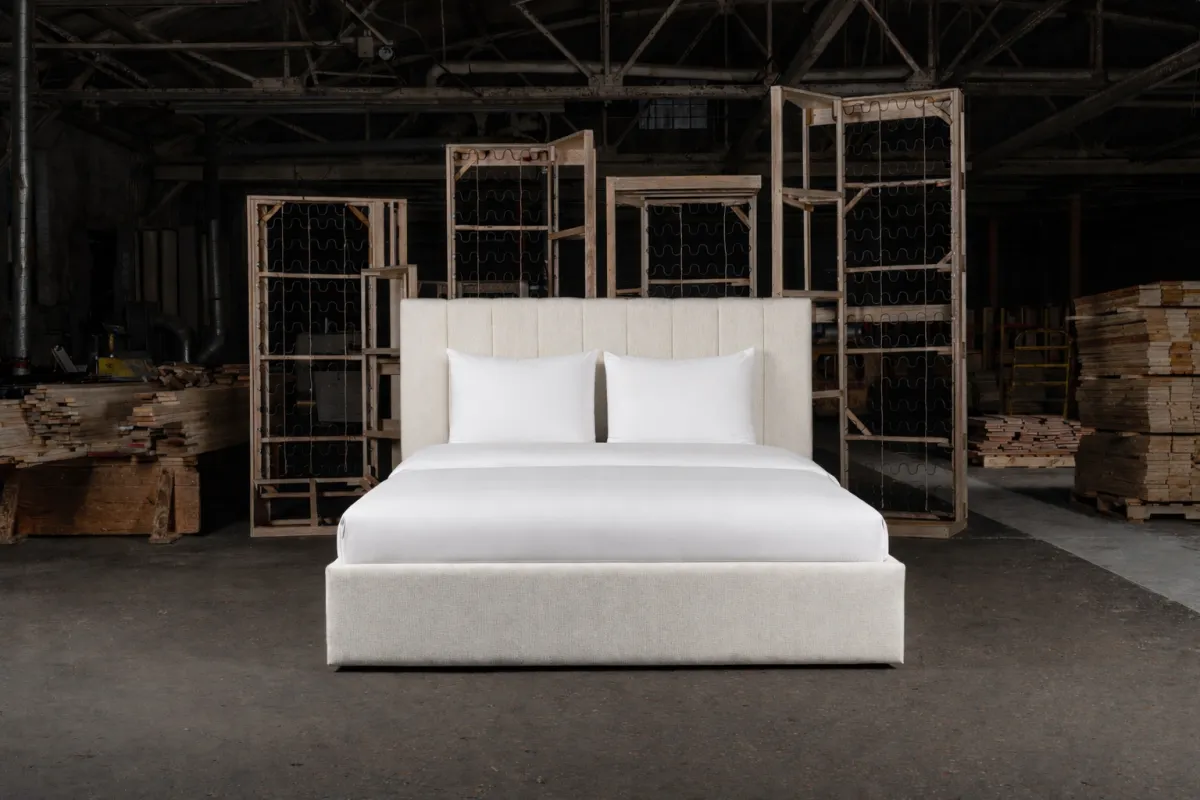
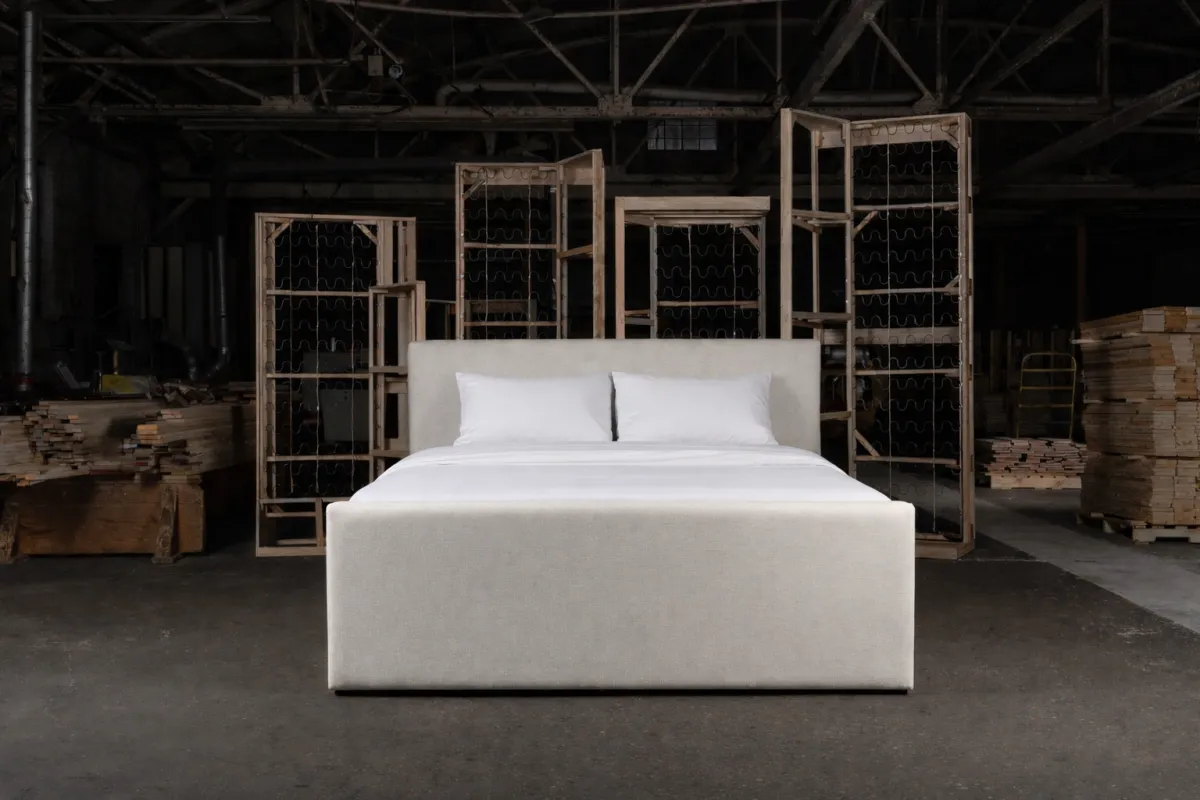
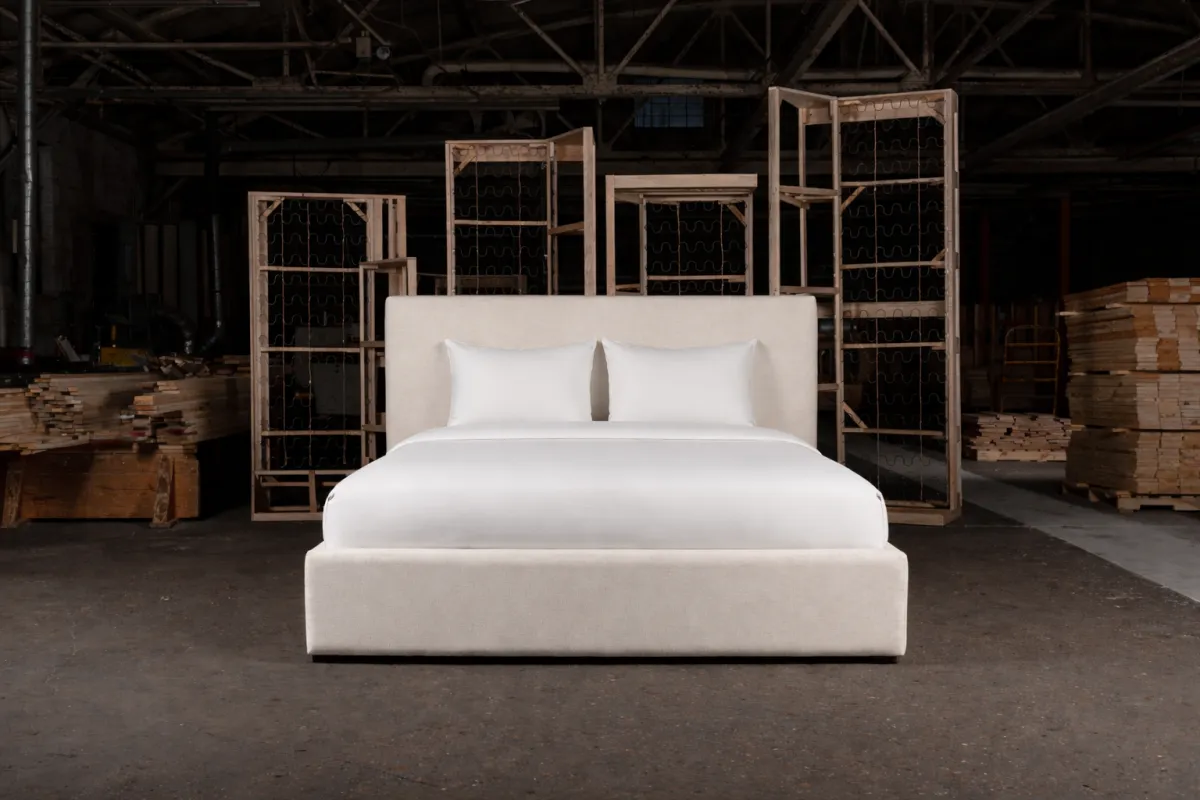
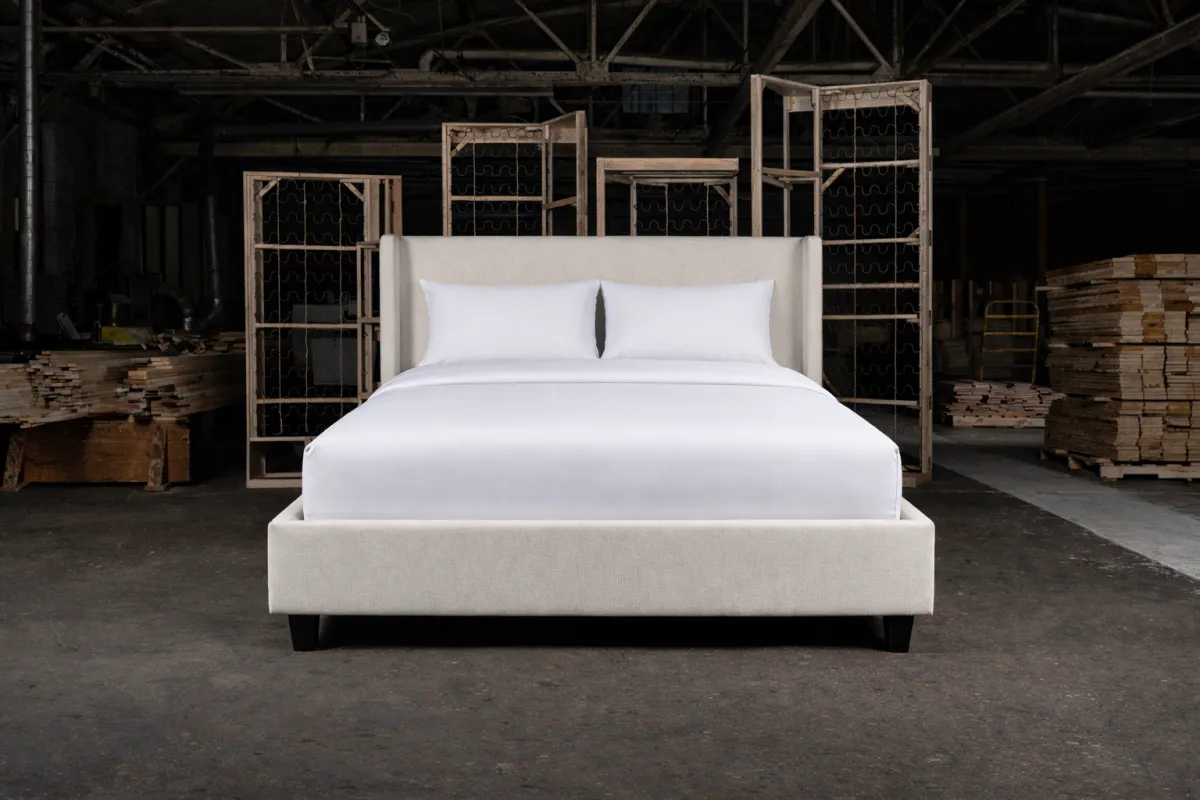
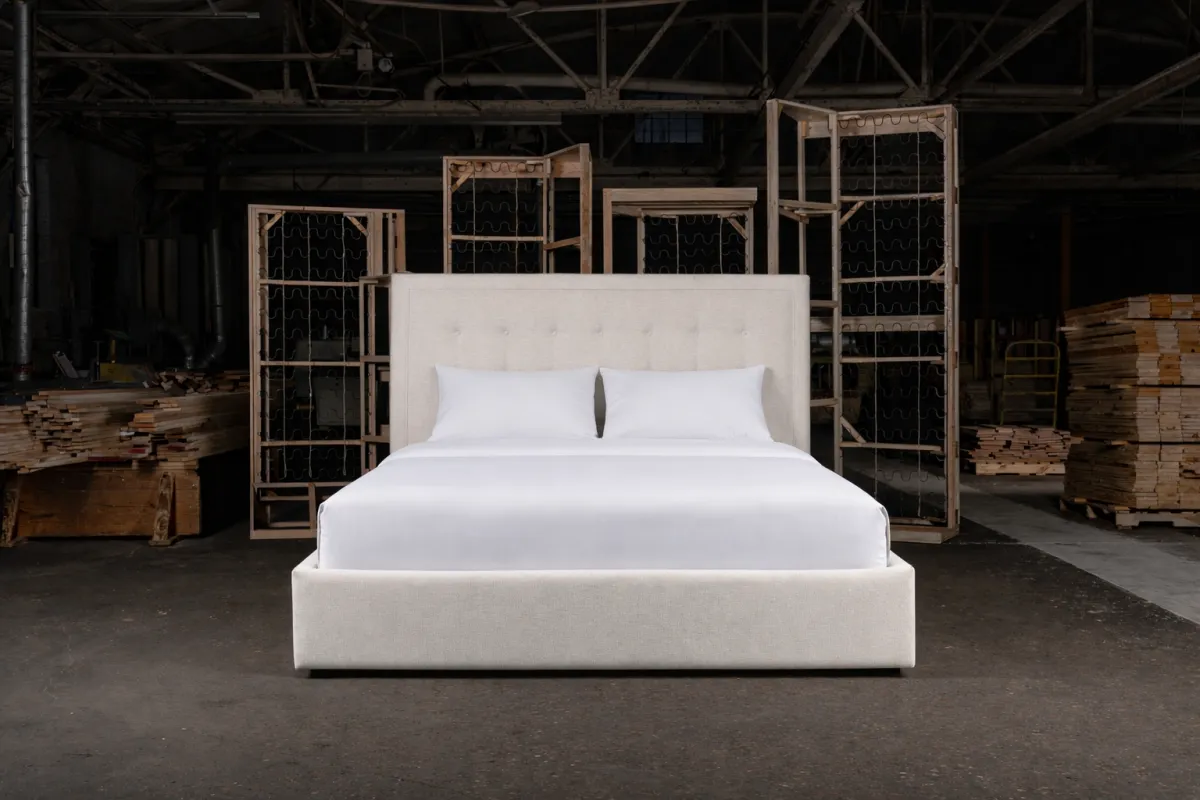
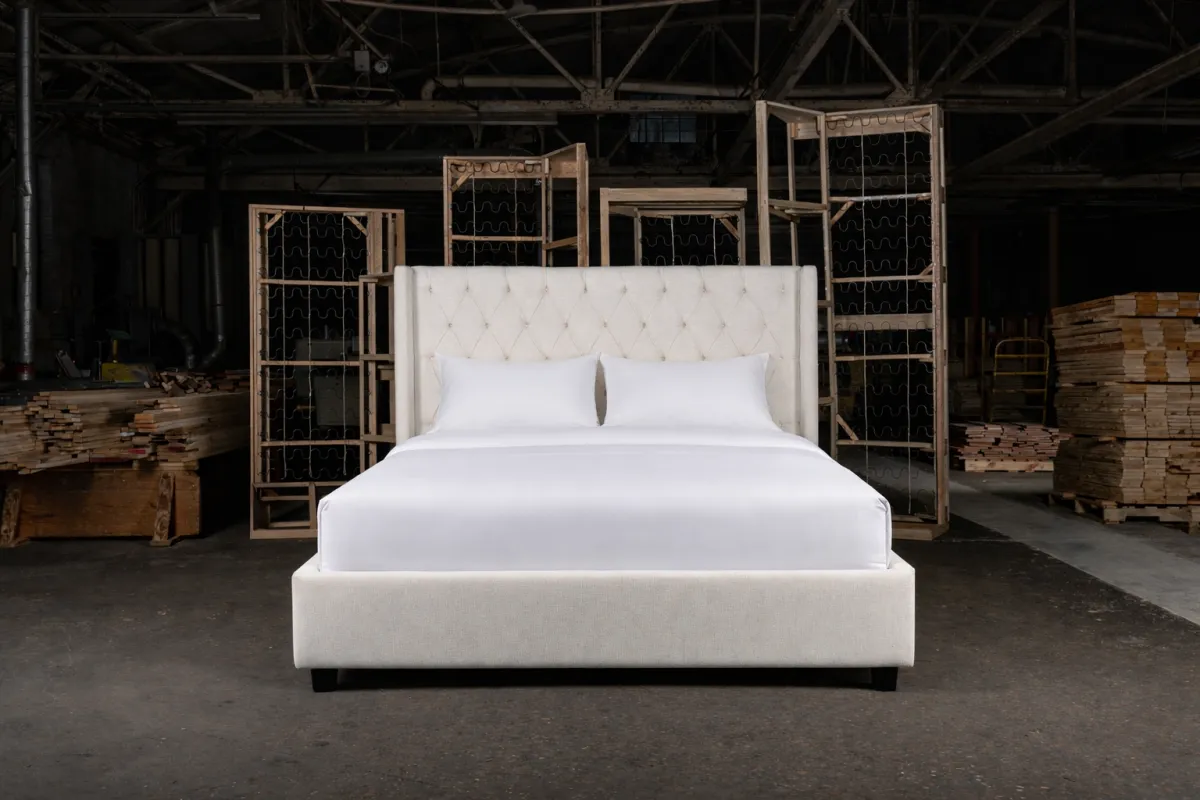
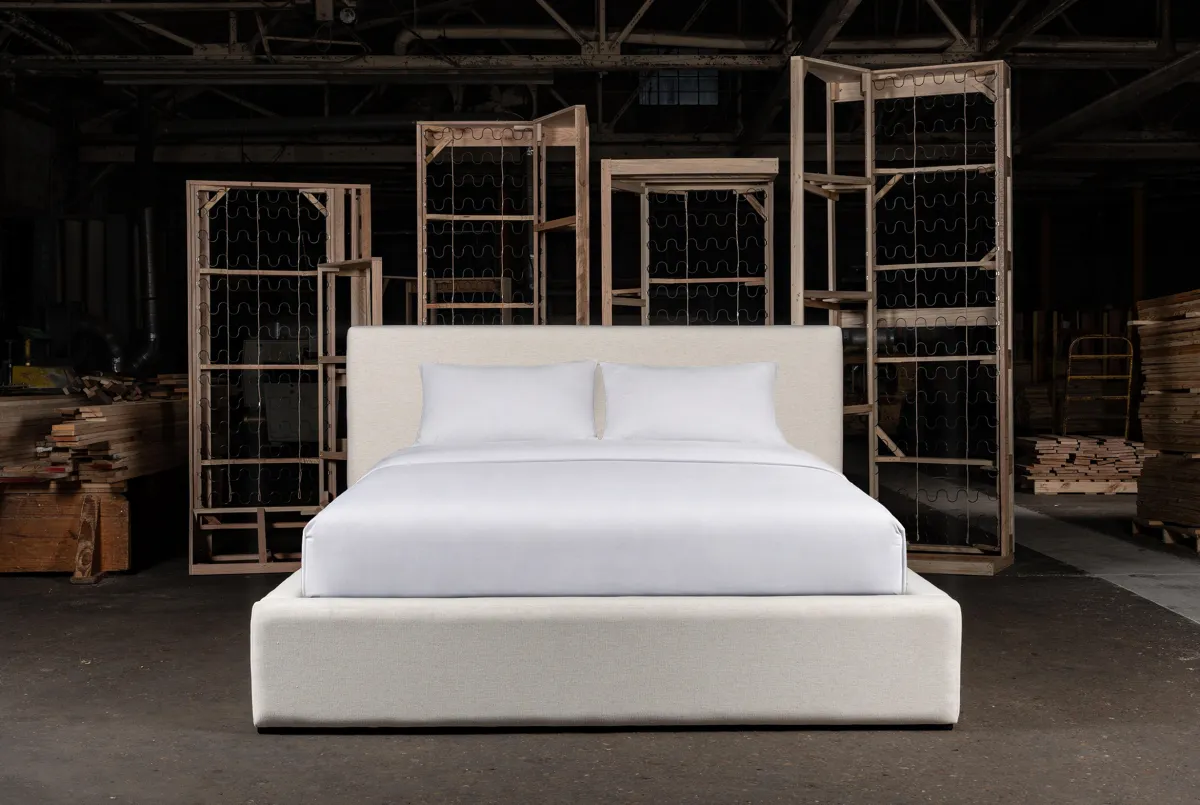
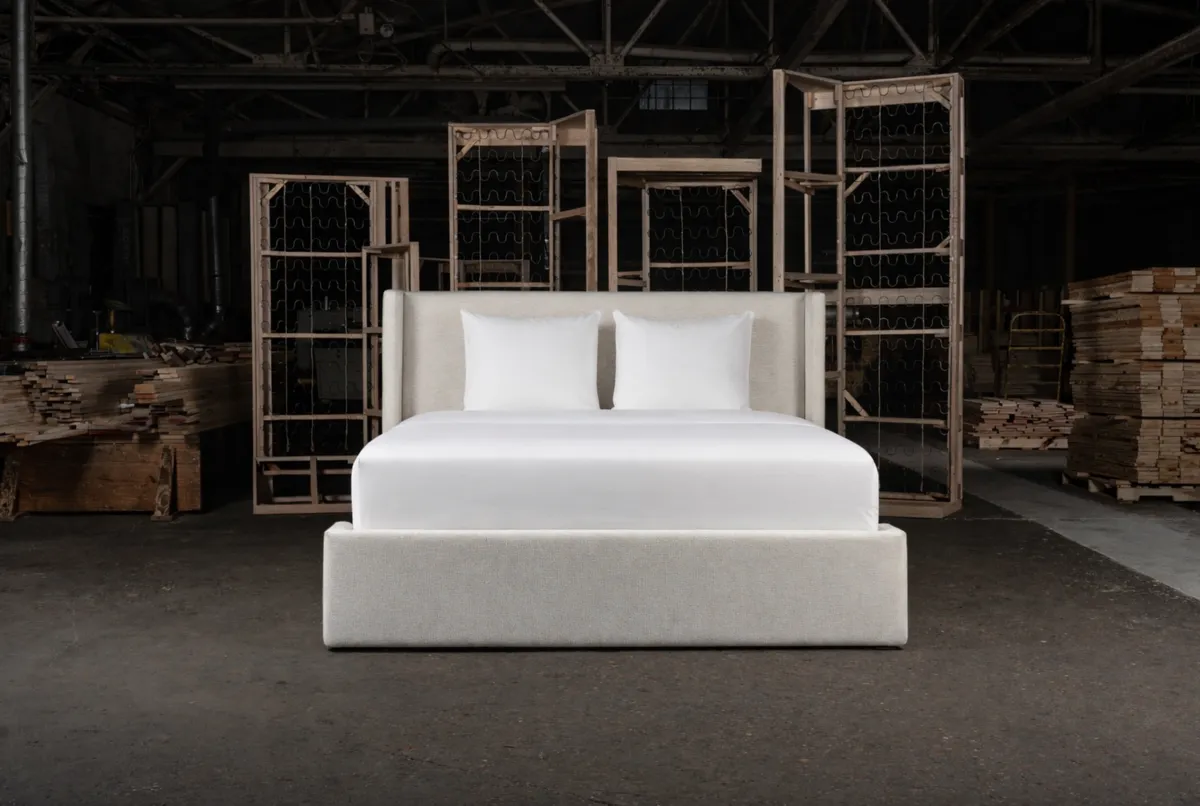
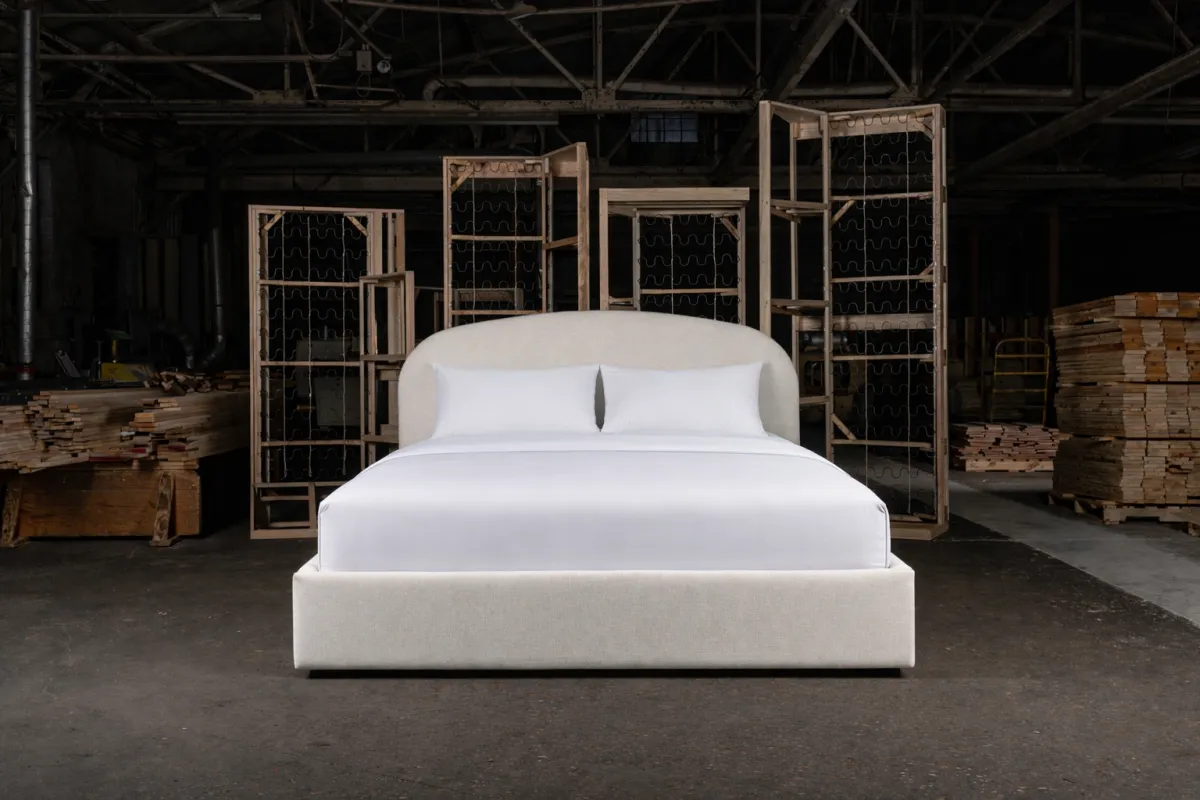
Texas Mattress Makers builds ten upholstered queen frames, each available in multiple fabrics. That's the entire product identity — and precisely where the old visual-catalog path stops scaling.
Every fabric on a frame is a different visual product. To show it, the old way says: rebuild the frame in that fabric, ship it in, stage the shot. Multiply 10 frames × 13 fabrics = 130 product visuals, and each one asks for its own reupholstery pass on the same 10 base frames. Nobody ships that catalog — so most brands ship less, and leave SKUs invisible to the customer.
Physical production isn't expensive because one thing is expensive. It's expensive because every step gets multiplied by every variation.
10–12 yards of fabric, upholstery labor, foam, hardware — per variation, across 120 fabric conversions on the same 10 base frames.
$57K – $90K$4,000 traditional photography benchmark × 13 production rounds to cover the matrix — before anyone touches a frame.
$52,0005 movers at Houston OT + meals × 26 shoot days to keep furniture flowing between reupholstery and camera.
$21,03410 queen mattresses at direct cost sitting as shoot-ready inventory across the campaign.
$8,568 – $10,472And this is before studio rental, set builds, props, stylists, producers, or retouching.
A working AI visual-inventory system with 130 catalog-ready product visuals across every fabric, every frame, and multiple environments — delivered in two months.
The Avalon frame, held constant. Only the upholstery changes. Each of the eight would have required its own physical rebuild + shoot.
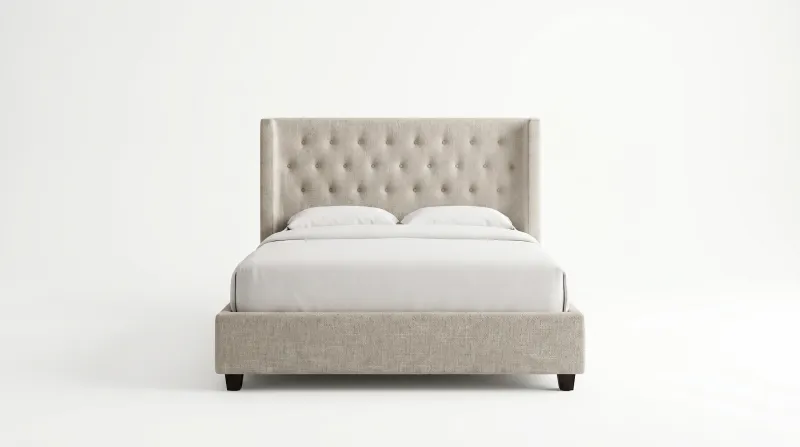
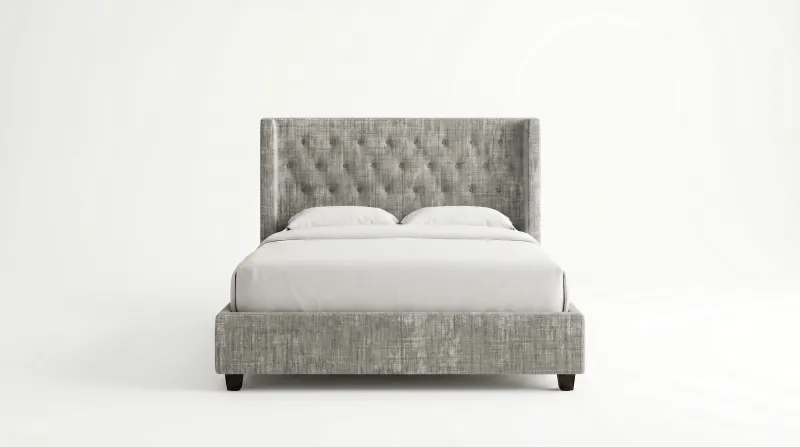
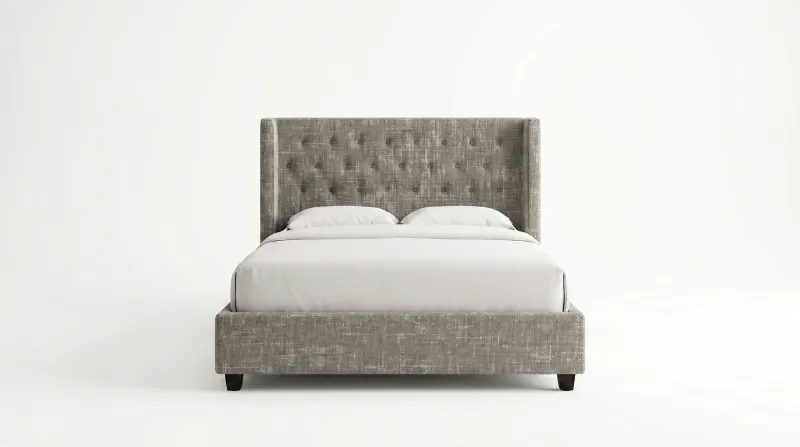
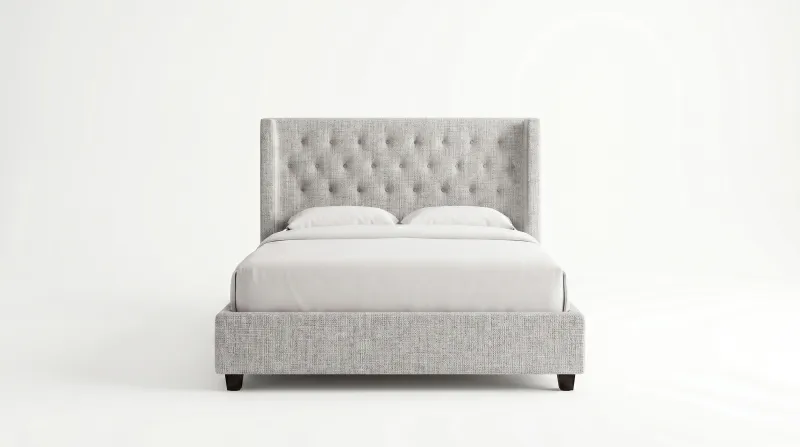
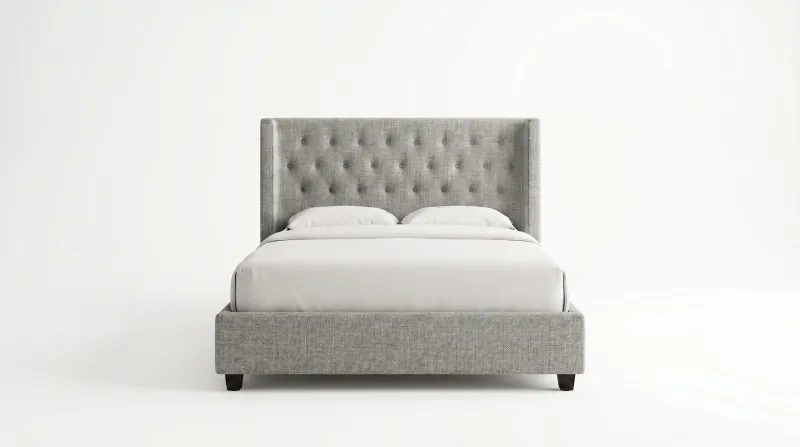
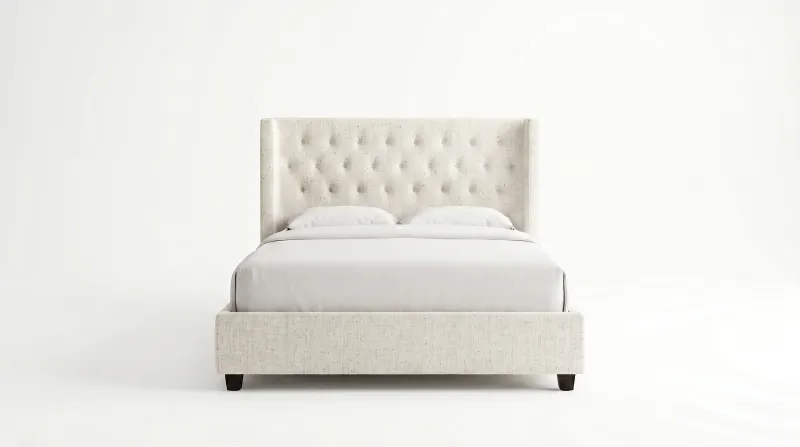
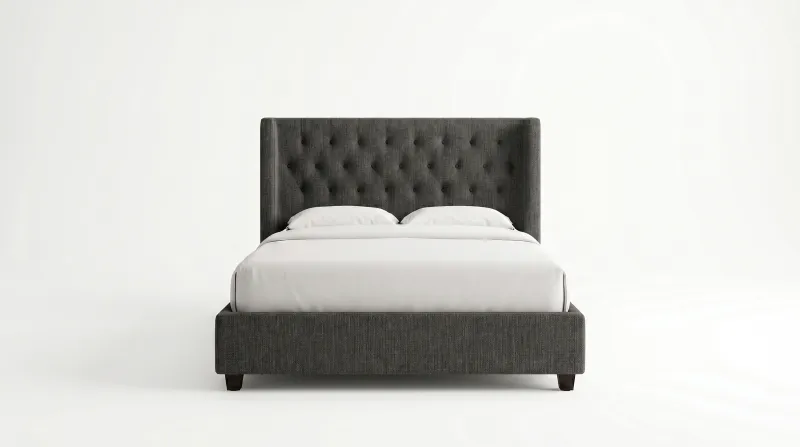
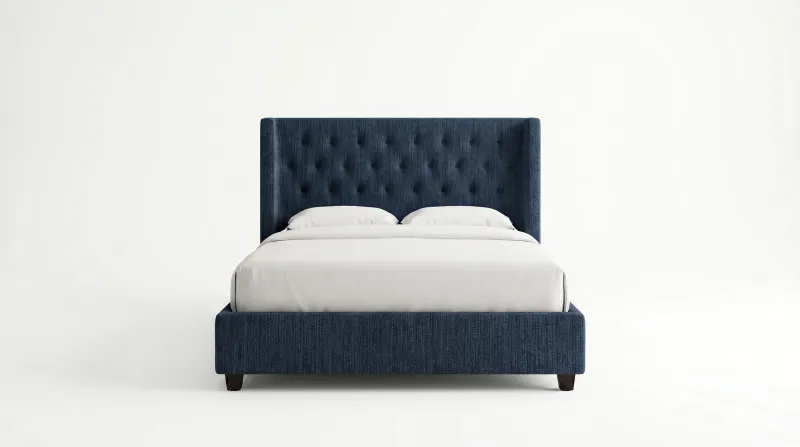
A product line whose entire identity is fabric variation, and whose growth needs new imagery faster than any physical shoot cycle can deliver.
The line is defined by the fabric on the same frame. AI multiplies the base — no physical rebuild.
New fabric on a frame? Rendered in days, not weeks — no shoot to schedule.
Renders grounded in real frame geometry and real fabric swatches — customers see what they'll actually receive.
One traditional round costs $4,000 × 13 = $52,000. We build a custom monthly plan tuned to your catalog velocity — predictable spend, scalable output.
This isn't fake math dressed in a blazer. It's a defensible model of the physical-production exposure Texas Mattress Makers would have taken on to hit the same coverage — before location rentals, set builds, and postproduction.
Not stills of a product on white — the frames placed inside considered environments, ready for editorial, ecommerce, and campaign use. Every location, every prop, every lighting decision — resolved in software.
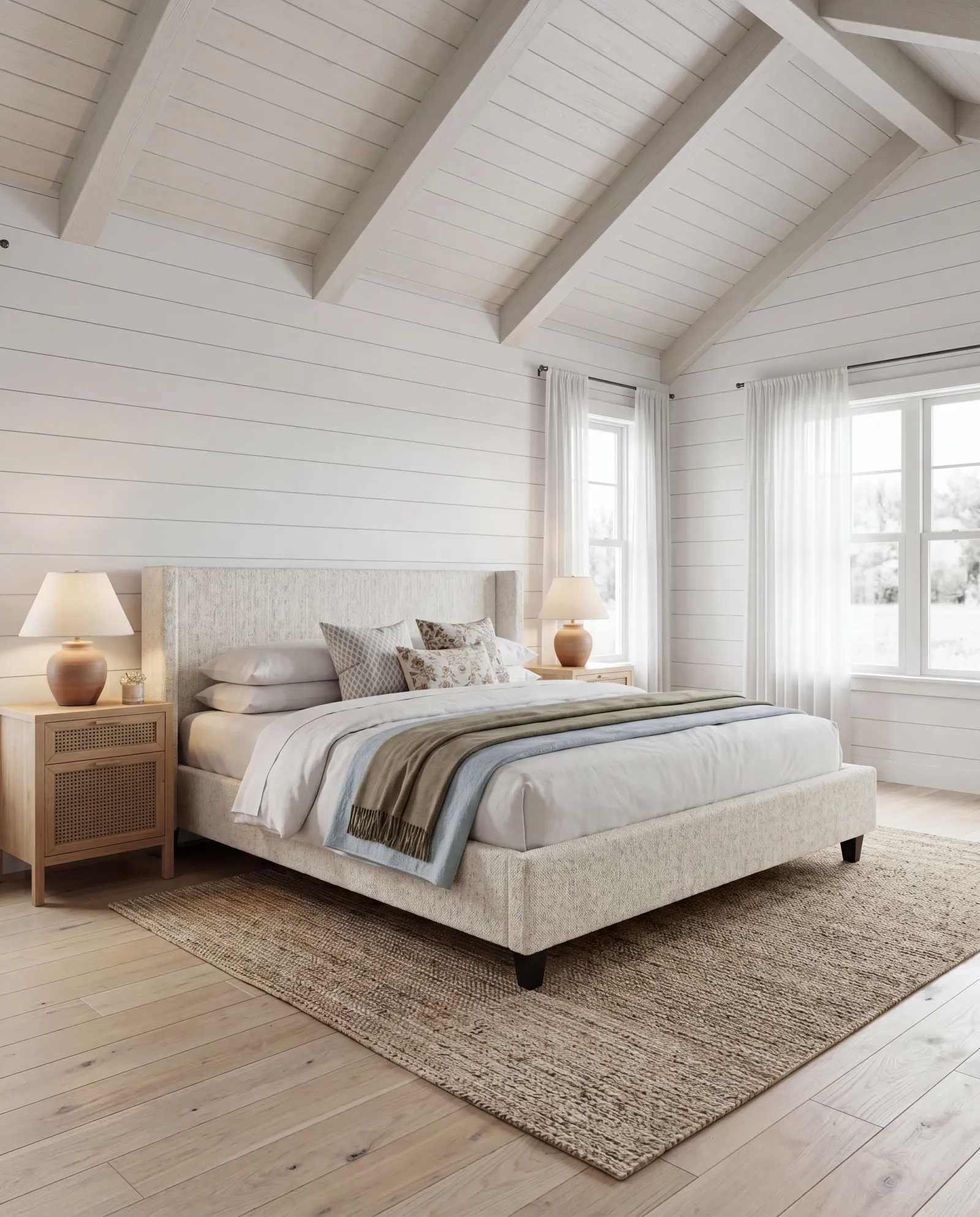
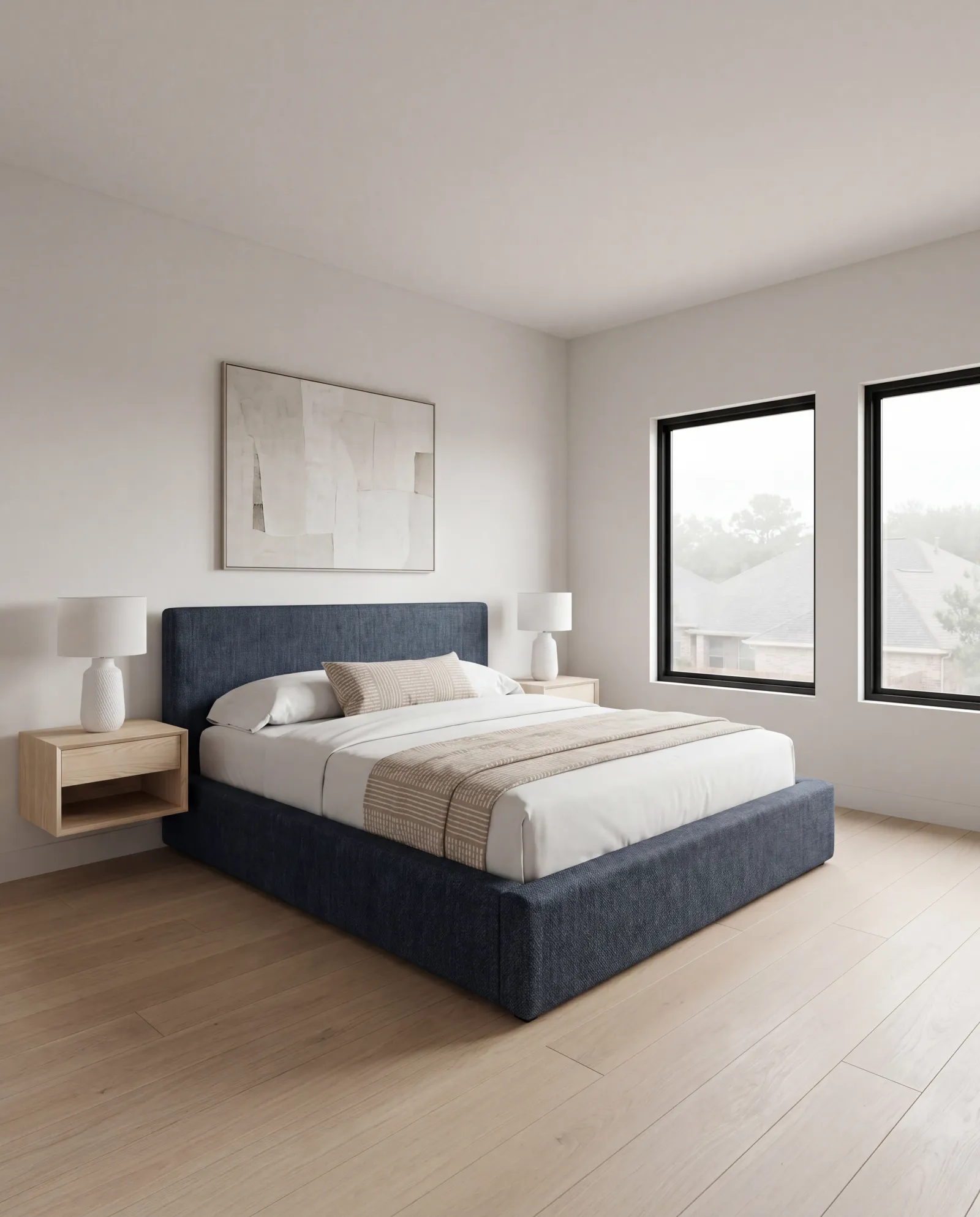
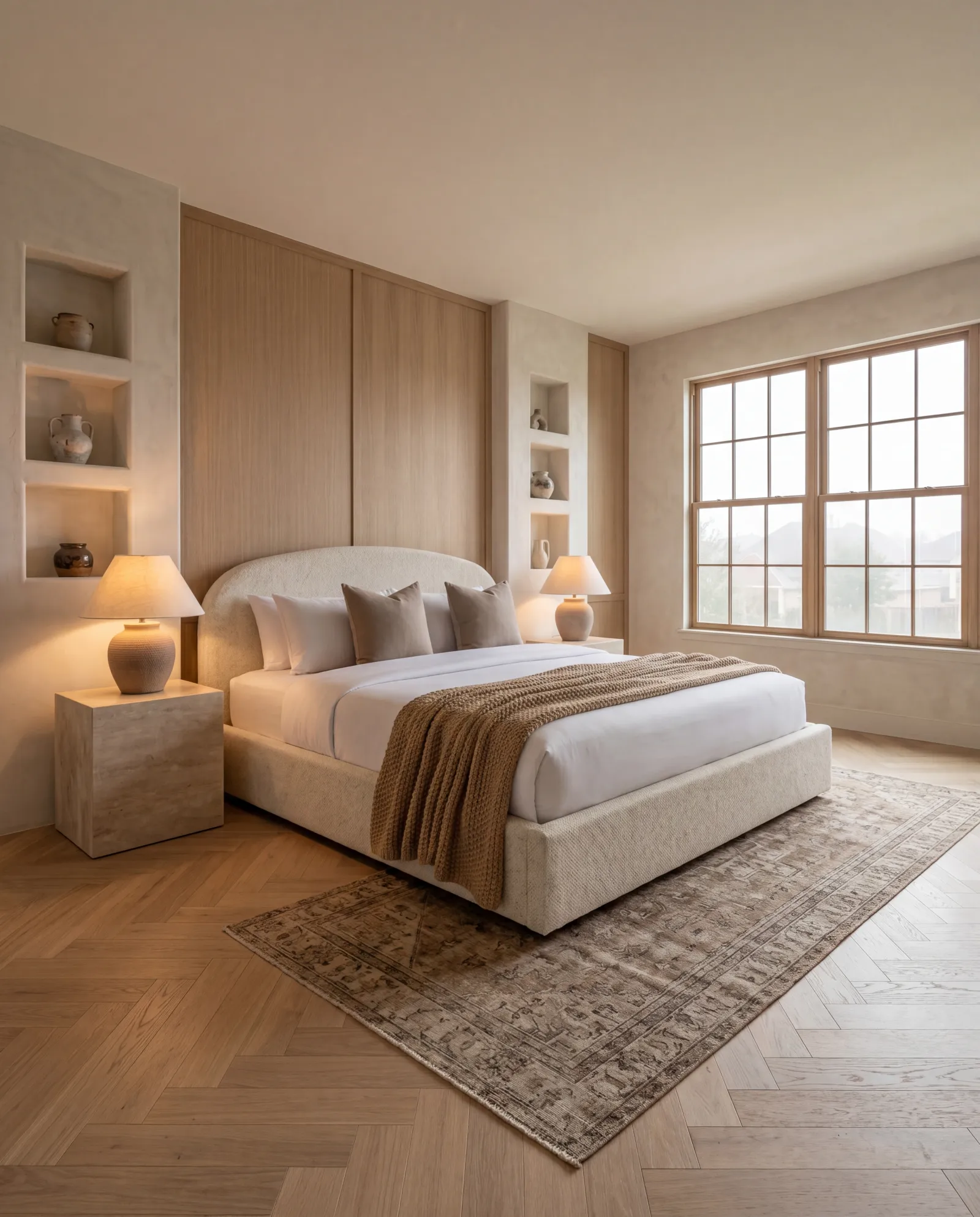
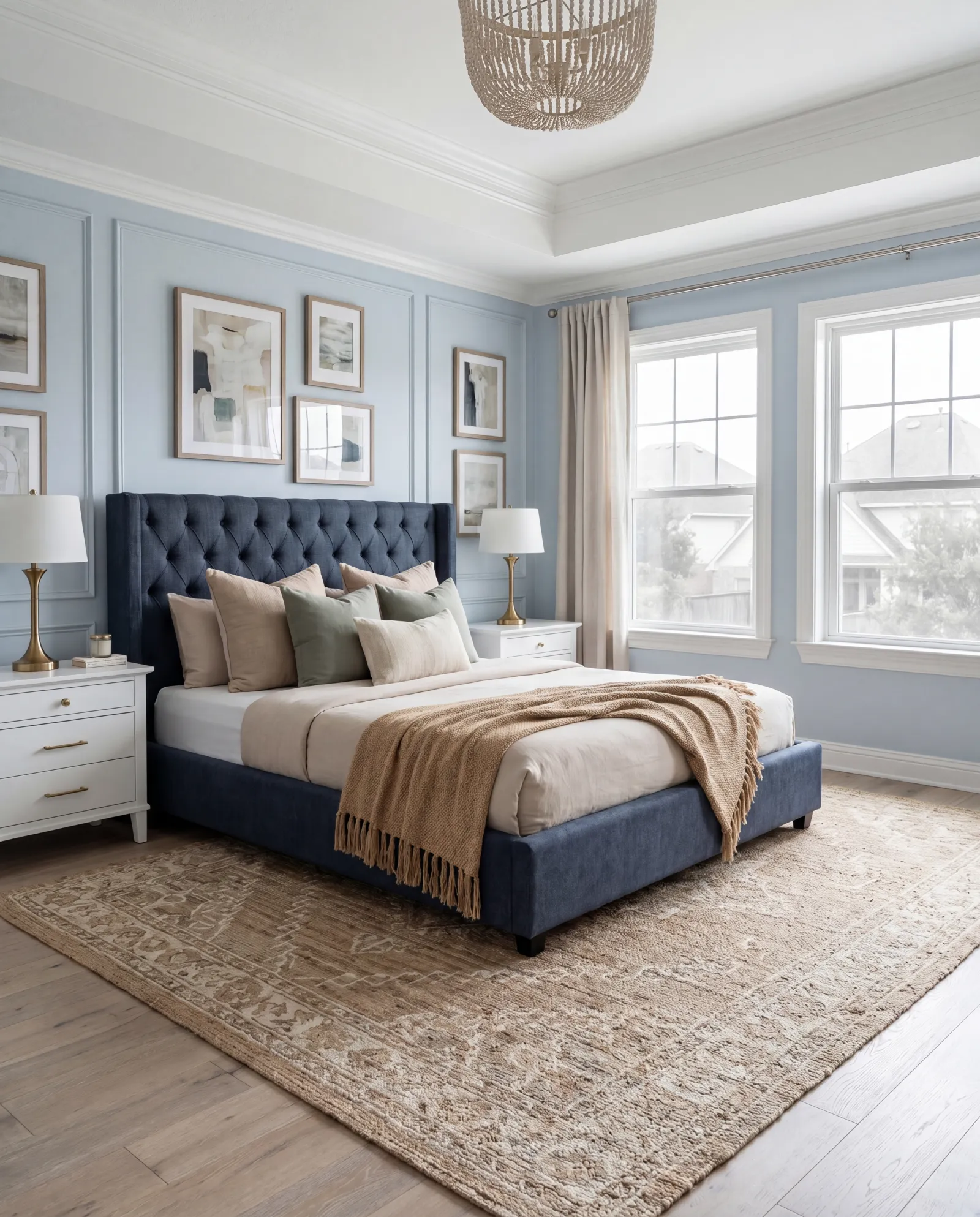
Four months in and shipping. New visual inventory every month as the line evolves — not a proof-of-concept, not a one-off.
A scalable visual inventory system —
— Market Hunterz × Texas Mattress Makers · ongoing
not just more content.
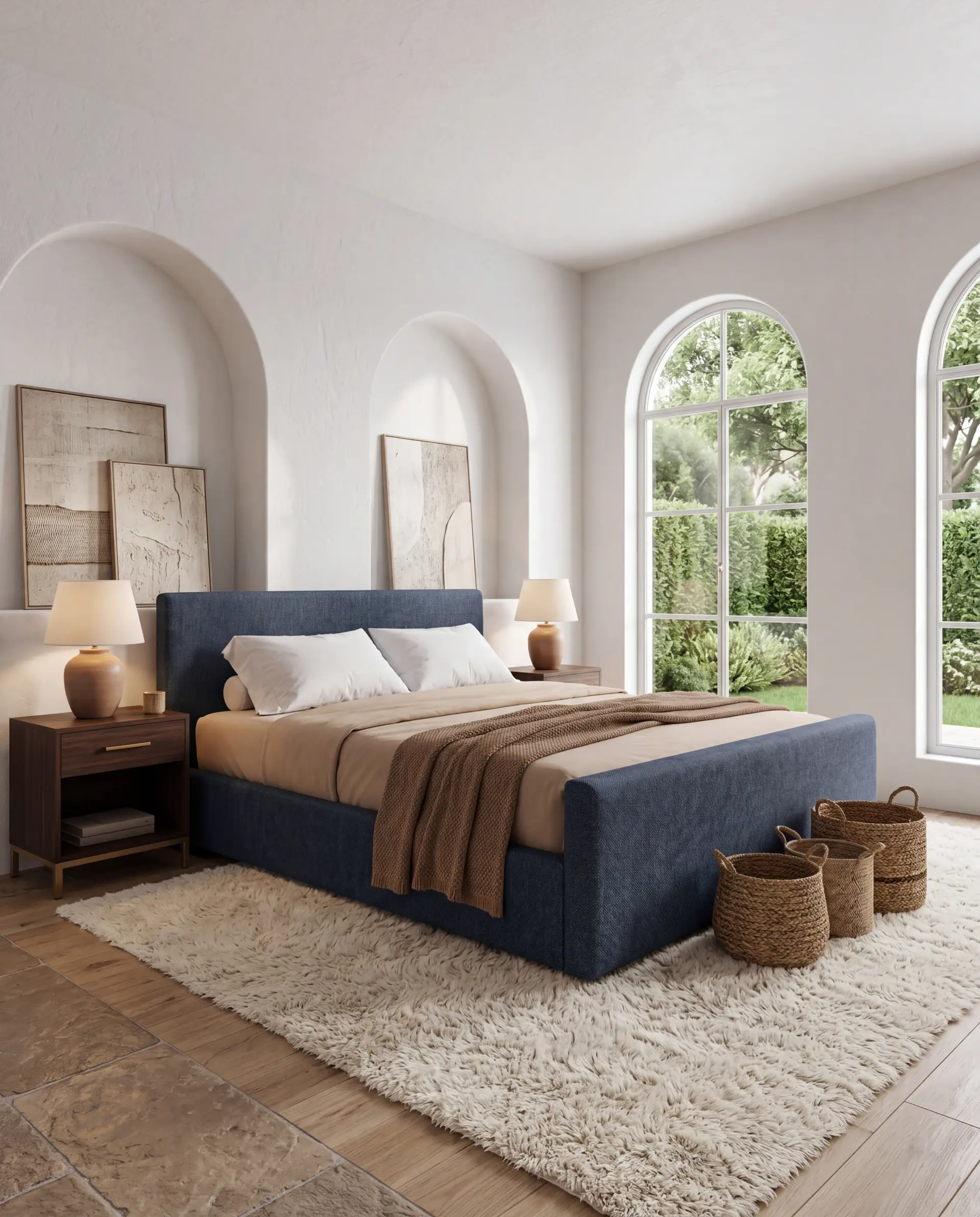
Yours might be finishes, colors, rooms, SKUs, or seasons. Whatever your version of "too many to physically shoot" is, we build a custom strategy for it — tuned to your catalog, budget, and brand.
Modeling assumptions from public benchmarks and standard allowances — not client financials. Product pricing observed on the Texas Mattress Makers site during the engagement (2026).
Build the model with your own inputs and it still points the same direction.